
Prof. Kerry Sieh is a Research Associate in the Geology Department at Western Washington University. A leading expert in earthquake geology (neotectonics and paleoseismology), tsunami geology, extraterrestrial impact geology, and physical volcanology, he earned his A.B. with highest honors in Geology from the University of California, Riverside
Prof. Gregory F. Moore is a distinguished geoscientist with more than four decades of experience in marine geophysics and related fields. He currently serves as Professor Emeritus at the University of Hawaiʻi and previously held faculty and research positions at the University of Hawaiʻi, the University of Tulsa, the Cities Service Research Lab,
Prof. Hiroshi Kawase is a prominent expert in structural engineering and building science. He earned his Doctorate from the Graduate School of Engineering, Kyoto University in 1990. His research integrates advanced seismic engineering principles with practical applications for earthquake-resistant design and structural performance assessment.
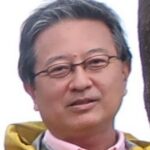
Prof. Shinichi Matsushima is a leading researcher in earthquake science, specializing in seismic hazard assessment, site characterization, and microtremor analysis. His work contributes significantly to improving ground motion prediction and urban seismic risk mitigation. With over a decade of research experience as a Research Scientist at the
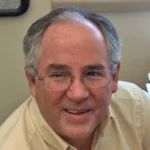
Prof. R.J. Weldon is a distinguished geologist and seismologist with extensive expertise in earthquake science and paleoseismology. His research focuses on understanding past earthquakes and their implications for seismic hazard evaluation. His research has focused on the tectonic evolution of the western United States, with a particular emphasis
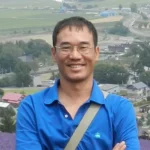
Prof. J. Bruce H. Shyu is a distinguished geologist and seismologist with expertise in earthquake geology, tectonic geomorphology, paleoseismology, and surface processes. With over 15 years of research experience, he has published numerous articles in top-tier journals, including Terrestrial, Atmospheric, and Oceanic Sciences. Prof. Shyu is a
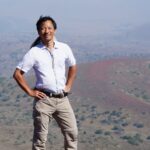
Dr. Wang is an Associate Professor of Geosciences at National Taiwan University, specializing in earthquake geology and active tectonics across Myanmar, Taiwan, and Southeast Asia. He earned his PhD from Caltech (2013) and previously served as a Research Fellow at the Earth Observatory of Singapore (2013–2018), where his work focused on tsunami and

Dr. Lindsey is a geophysicist with expertise in plate tectonics, fault mechanics, and seismic hazard assessment. With a Ph.D. from the University of California, Berkeley (2012), he has made significant contributions to our understanding of fault behavior and seismic hazard analysis. Dr. Lindsey's research experience includes postdoctoral positions

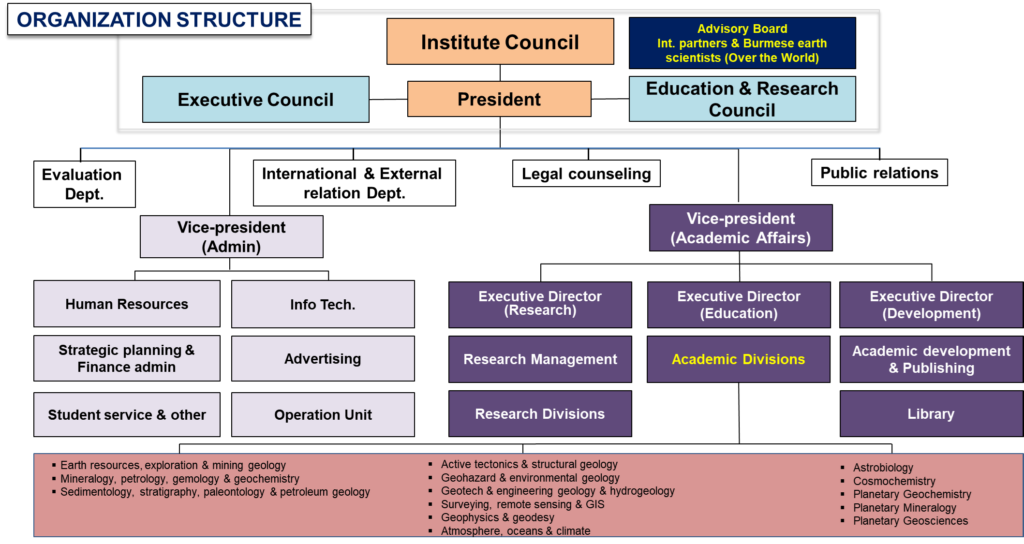
Prof. Myo Thant is a leading seismologist and Professor of Earth Sciences at the Myanmar Institute of Earth and Planetary Sciences (MIEPS) specializing in earthquake engineering, Probabilistic Seismic Hazard Analysis (PSHA), and urban microzonation. Backed by collaborative advanced training at Kyoto University and the Chinese Academy of Sciences,